Can machine learning detect malware more accurately than humans? And where are its limits? These were among the key questions explored during a workshop at Machine Learning Summer School @UNIZA 2026, held from 14 to 18 September at the Faculty of Management Science and Informatics of the University of Žilina.
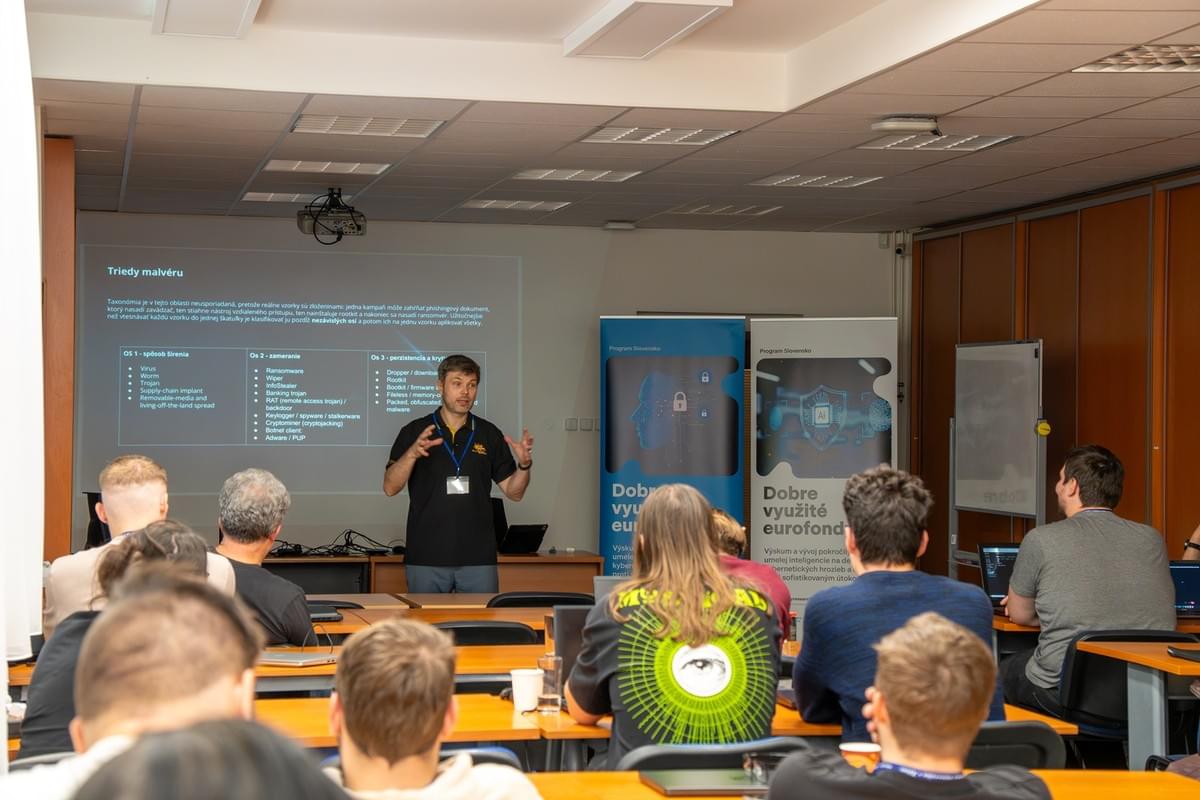
As part of the project Research and development of advanced artificial intelligence solutions for the detection of cyber threats and defense against sophisticated attacks, IstroSec contributed to the programme with a workshop connecting two areas closely related to its expertise: cybersecurity and artificial intelligence. The workshop was led by Peter Pisarčík, R&D Specialist at IstroSec.
The workshop covered:
- how malware works and why its detection is becoming increasingly challenging,
- tools that help analysts identify threats more accurately,
- testing models with different architectures on specially prepared, harmless binary samples,
- reverse engineering supported by LLMs and how it is changing the work of analysts in practice.
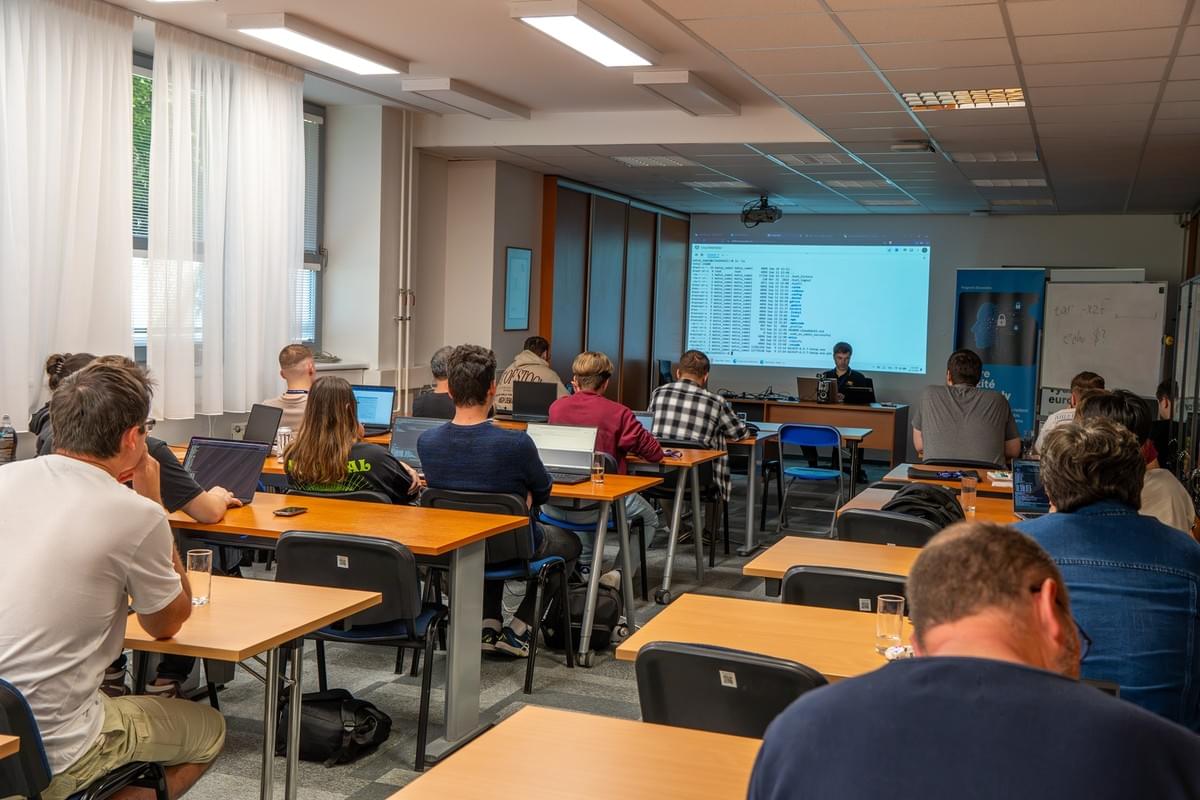
The workshop was accompanied by an open discussion and a large number of questions from the participants. Their active engagement highlighted the broad potential for discussion around the intersection of cybersecurity, machine learning and artificial intelligence.
Many thanks to the organizers of Machine Learning Summer School @UNIZA 2026, all the participants, and Peter Pisarčík for an insightful workshop.
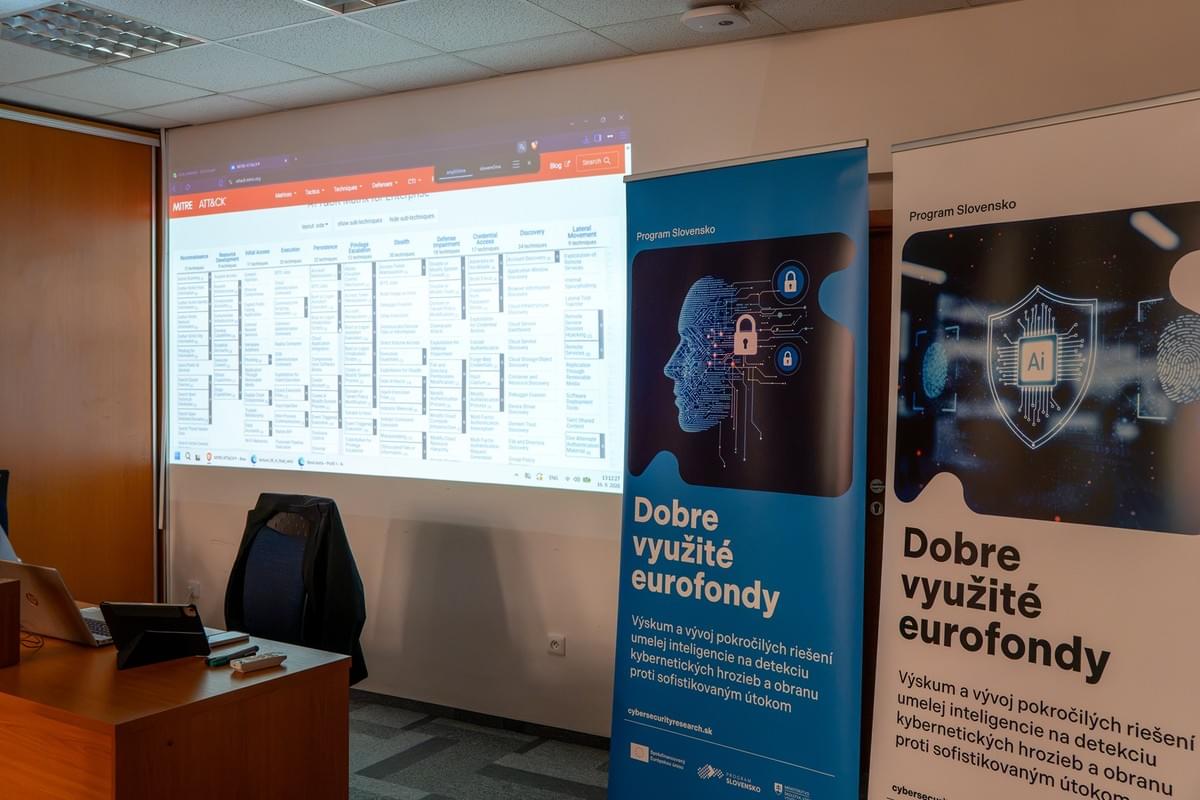
Co-financed by the European Union through the Slovakia Programme under project No. NFP401101C360: Research and development of advanced artificial intelligence solutions for the detection of cyber threats and defense against sophisticated attacks.